
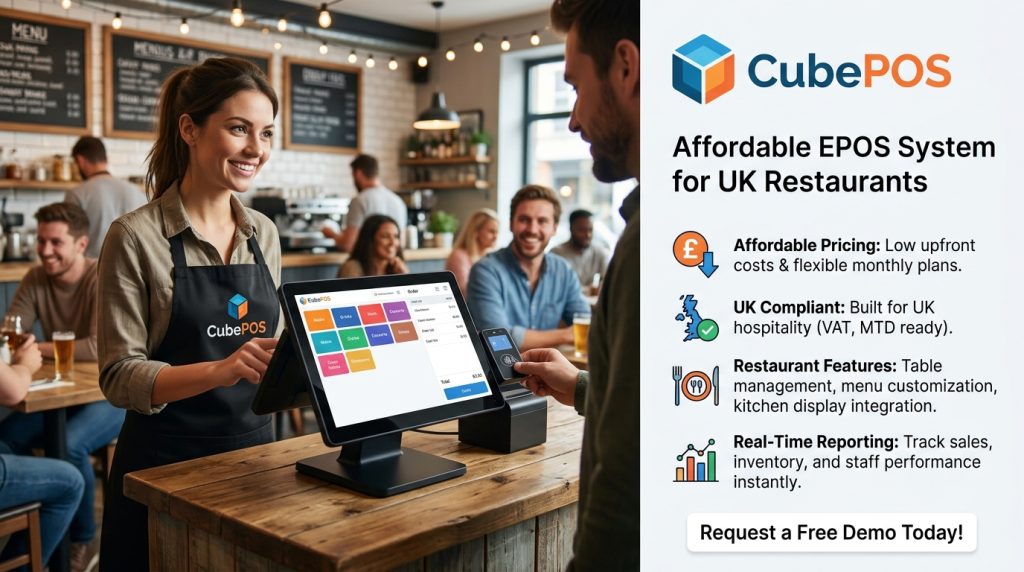
The British cafe culture has seen a remarkable shift over the last decade. No longer just a place to grab a quick caffeine fix, modern coffee shops have become community hubs, remote workspaces, and culinary destinations. To keep up with this evolution, owners are moving away from traditional tills and adopting smart technology to manage the increasing complexity of daily operations.
Streamlining Operations in the Midlands
Birmingham has emerged as a powerhouse for independent roasteries and boutique cafes. For business owners in this region, efficiency is the cornerstone of growth. Managing a morning rush requires a system that is both fast and intuitive. Integrating a high-performance Cafe POS system Birmingham allows staff to process orders with precision, ensuring that “extra-hot oat milk lattes” are communicated perfectly to the barista without the need for handwritten notes.
Beyond just taking orders, these systems provide local owners with vital analytics. Understanding which pastries sell best on a Tuesday morning versus a Saturday afternoon helps in reducing food waste and optimizing stock levels. In a city where the hospitality scene is rapidly expanding, having this level of data at your fingertips provides a significant competitive edge.
Navigating the Fast-Paced London Scene
In the capital, the pace of life is notoriously swift, and customer expectations are exceptionally high. A delay of even a few minutes during peak hours can lead to lost revenue and poor reviews. Implementing a robust Cafe POS system in London is essential for maintaining the flow of a busy metropolitan establishment.
London cafes often deal with complex logistics, such as managing multiple floor levels or outdoor seating areas. Mobile-integrated point-of-sale tools allow servers to take payments directly at the table, reducing the bottleneck at the main counter. Furthermore, with the rise of contactless and mobile wallet payments in the city, having a system that seamlessly handles diverse digital transactions is no longer optional—it is a necessity for survival.
Why Integration Matters
Modern point-of-sale technology does much more than calculate a total and open a cash drawer. It acts as the “brain” of the business. Here are a few ways it transforms daily management:
- Inventory Tracking: Automatically deduct ingredients from your inventory as items are sold, triggering alerts when supplies are low.
- Staff Management: Track clock-in times and individual sales performance to better understand labor costs and productivity.
- Customer Loyalty: Easily implement digital loyalty schemes that reward regulars, encouraging repeat business without the need for physical paper cards.
- Cloud Reporting: Access your sales data from anywhere, giving you the freedom to monitor your business performance while off-site.
Adapting to Future Trends
As we move further into 2026, the integration of AI-driven forecasting and personalized marketing through these systems will become standard. The cafes that thrive will be those that embrace technology to enhance the human element of service, not replace it. By automating the mundane administrative tasks, cafe owners can refocus their energy on what truly matters: the quality of the brew and the satisfaction of the guest.
