
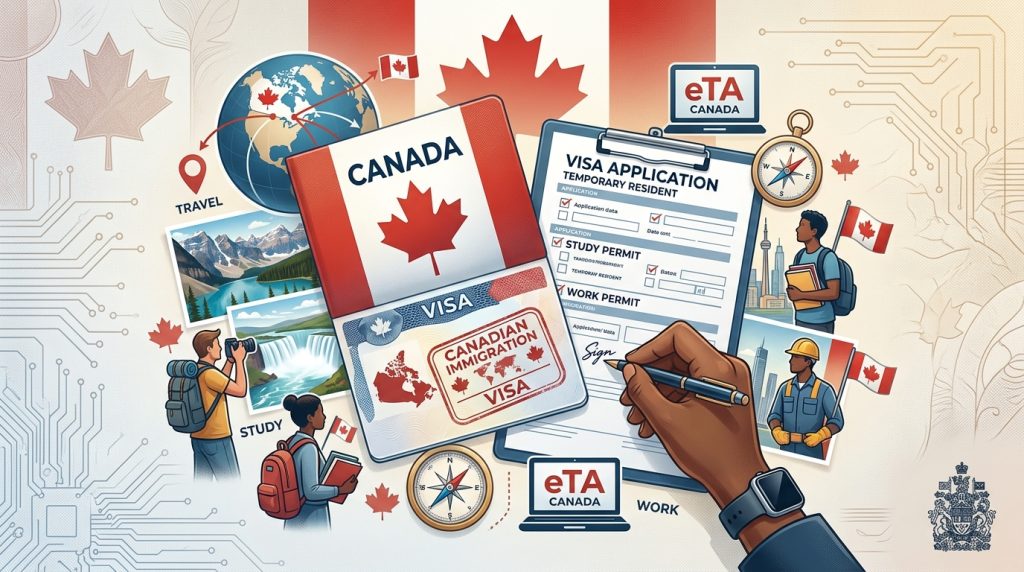
As international borders become more dynamic, the frameworks governing global travel, labor immigration, and residency extensions continue to evolve. Destinations like North America and Southeast Asia are reshaping their immigration strategies to meet pressing economic demands and promote long-term integration. For foreign professionals, specialized workers, and long-term tourists, successfully navigating these legal systems requires proactive preparation. Staying informed about structured pathways, temporary status renewals, and local compliance measures ensures a seamless, legally secure transition across jurisdictions.
Achieving Permanent Status: Navigating the Canada Caregiver Visa
Faced with an aging population and a growing need for dedicated familial support services, Canada has structurally overhauled its economic immigration pipelines. The country has transformed how it attracts and retains global talent in essential healthcare and home support sectors. For individuals possessing professional training or practical caregiving backgrounds, securing a CANADA CAREGIVER VISA offers a highly direct, structured path to establishing long-term residency in the country.
Under updated federal frameworks, such as the Home Care Worker Immigration pilots, eligible child care providers and home support workers can apply for permanent residence. This progressive approach often grants qualifying applicants permanent residency immediately upon landing, bypassing years of temporary visa insecurity. To successfully utilize this pathway, applicants must secure a valid full-time job offer from an authorized Canadian employer, satisfy foundational language proficiency requirements, and provide certified educational credentials. This comprehensive system is designed to seamlessly integrate specialized workers into local communities while offering long-term professional stability.
Smart Mobility Tip: Because federal application intake caps for specific caregiver streams operate under strict annual quotas, completing your credential evaluations and language assessments ahead of time is critical for a successful submission.
Prolonging Your Stay: How to Extend Vietnam Visa Guidelines
On the other side of the globe, Southeast Asian nations are modernizing their immigration structures to support extended tourist stays, business partnerships, and remote work arrangements. Vietnam has experienced an influx of international visitors due to its expanded 90-day e-visa system and extended unilateral visa exemptions. However, many visitors choose to prolong their stay beyond their original entry permits to complete business projects, explore cultural heritage sites, or visit family members.
When your initial legal stay approaches its expiration date, learning HOW TO EXTEND VIETNAM VISA documentation is essential to maintain full legal compliance. The Vietnam Immigration Department requires applicants to submit a formal extension dossier—typically including an original passport valid for at least six months, a completed Form NA5, passport-sized photographs, and verified proof of temporary residence registration from local accommodations. Initiating this extension process approximately 15 days prior to your visa’s expiration ensures sufficient processing time, helping you avoid costly overstay fines or unexpected travel disruptions.
Pre-Travel Compliance Checklist for Global Citizens
- Examine Passport Expiry: Always verify that your travel document remains valid for at least six months beyond your intended date of entry into any foreign country.
- Confirm Financial Disclosures: Keep track of regional currency limits, as many global border authorities require formal declarations for physical cash values exceeding $10,000 USD.
- Validate Local Registration: Upon arriving in your host country, ensure your host or accommodation provider registers your presence with local authorities to guarantee a smooth subsequent visa extension.
