
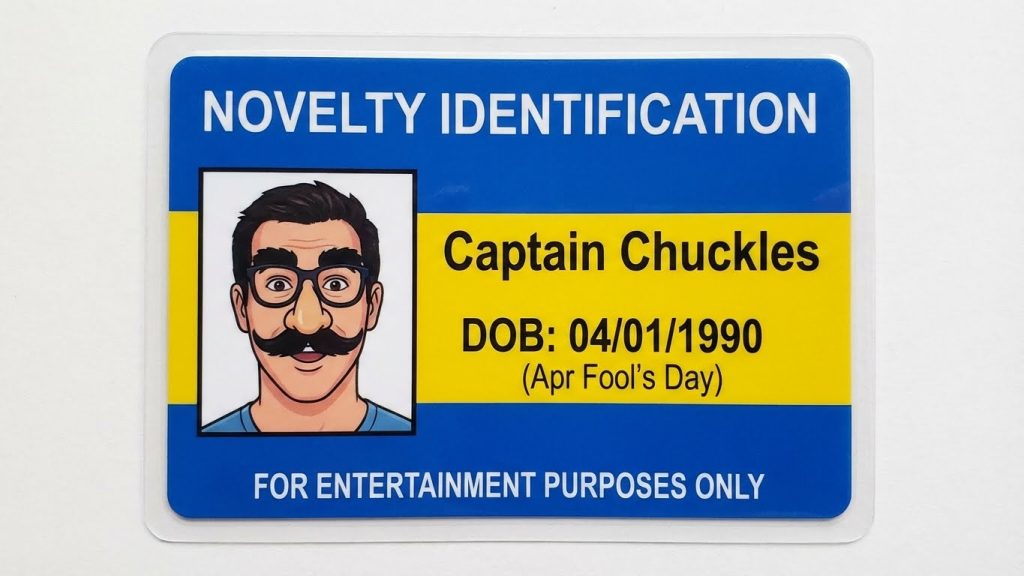
The concept of a Novelty ID continues to appear in online searches, forums, and informational discussions, especially as digital identity systems evolve. While the term may attract curiosity, it is important to approach the subject with clarity, responsibility, and a strong understanding of its limitations. Informative and well-structured content plays a key role in helping users distinguish between legitimate educational discussion and inappropriate or unlawful use.
A novelty ID is not an official form of identification. It does not grant legal rights, verify identity, or replace government-issued documents. Instead, it exists within a limited scope that includes visual representation, educational modeling, and creative demonstration. Understanding this distinction is essential for individuals, platforms, and content publishers.
Defining Novelty ID Clearly
A novelty ID is generally described as a non-official identification-style card created for demonstration, design, or entertainment purposes. These items may resemble real identification in layout or format, but they lack authenticity, authority, and legal recognition.
Common legitimate contexts where novelty IDs are referenced include:
- Educational examples in identity design and security studies
- Film, theater, and media production props
- Graphic design mockups and print demonstrations
- Fictional or collectible items
- Visual aids in training or presentations
When presented responsibly, novelty IDs are used as visual references rather than functional documents.
The Importance of Legal Context
Legal awareness is one of the most critical elements in any discussion involving identification. Laws governing identity documents vary by jurisdiction, but most regions strictly prohibit the misuse of any non-official ID to misrepresent identity, age, or access privileges.
Responsible informational content emphasizes that:
- A novelty ID is not valid proof of identity
- Using it to deceive others may result in legal consequences
- Possession does not imply permission for misuse
- Transparency and disclosure are essential
Search engines prioritize content that acknowledges these legal boundaries, making such context vital for SEO compliance and long-term indexability.
Educational and Informational Value
From an educational standpoint, novelty IDs can serve as learning tools when used correctly. In academic and professional environments, they are sometimes referenced to demonstrate how identification systems are structured, how data is visually organized, or how security features are designed.
For example, students studying information design may analyze novelty IDs to understand layout balance, typography, and data hierarchy without exposing real personal information. Similarly, training sessions may use fictional identification samples to explain verification processes in a controlled environment.
Ethics and Responsible Discussion
Ethics play a central role in discussions about identity-related topics. Because identification carries trust and authority, even non-official representations must be handled with care. Ethical discussion avoids promoting misuse and instead focuses on awareness, education, and prevention.
Ethical best practices include:
- Using fictional names and placeholder data
- Avoiding realistic replication of government documents
- Clearly labeling materials as “novelty” or “sample”
- Educating audiences about legal and ethical boundaries
This approach protects users while maintaining credibility for content publishers and platforms.
Novelty ID and Online Platforms
Online forums and informational websites often host discussions about novelty IDs from a conceptual or academic perspective. High-quality platforms encourage conversations centered on legality, ethics, and general awareness rather than actionable guidance.
Moderated and responsible platforms typically focus on:
- Informational explanations
- Policy discussions and legal considerations
- Design and educational analysis
- Risk awareness and misuse prevention
Such environments align well with search engine quality guidelines and help establish topical authority.
SEO Considerations for Novelty ID Content
From an SEO perspective, writing about novelty IDs requires a careful balance between relevance and responsibility. Search engines analyze user intent, context, and safety signals. Content that clearly defines boundaries and avoids facilitation is more likely to be indexed and ranked sustainably.
Effective SEO practices for this topic include:
- Natural keyword placement without overuse
- Clear informational intent
- Neutral and professional tone
- Avoidance of transactional or instructional language
Using the keyword Novelty ID in meaningful, educational contexts strengthens relevance while maintaining compliance.
The Role of Awareness in the Digital Age
As digital identity systems become more advanced, public awareness around identification has grown. Users are increasingly interested in understanding how IDs work, how identity verification is structured, and what differentiates real documents from non-official representations.
Informative content helps bridge this knowledge gap by providing clarity rather than confusion. Educating users reduces the risk of misuse and supports safer online behavior.
Why Responsible Content Matters
Responsible content does more than satisfy search engine requirements. It builds trust with readers, protects platforms from policy violations, and contributes positively to public understanding. When discussing topics like novelty IDs, clarity and caution are not limitations—they are strengths.
Well-researched, ethical articles are more likely to attract organic backlinks, retain reader engagement, and maintain long-term visibility.
Final Thoughts
A Novelty ID should always be understood within its proper context: a non-official, non-legal representation used for educational, creative, or illustrative purposes only. Misunderstanding or misusing such items can carry serious consequences, making informed awareness essential.
By focusing on education, ethics, and legality, content creators can address this topic responsibly while remaining fully SEO-optimized and search-engine friendly. Informative discussions that prioritize clarity over instruction benefit readers, platforms, and the broader digital ecosystem alike.
