
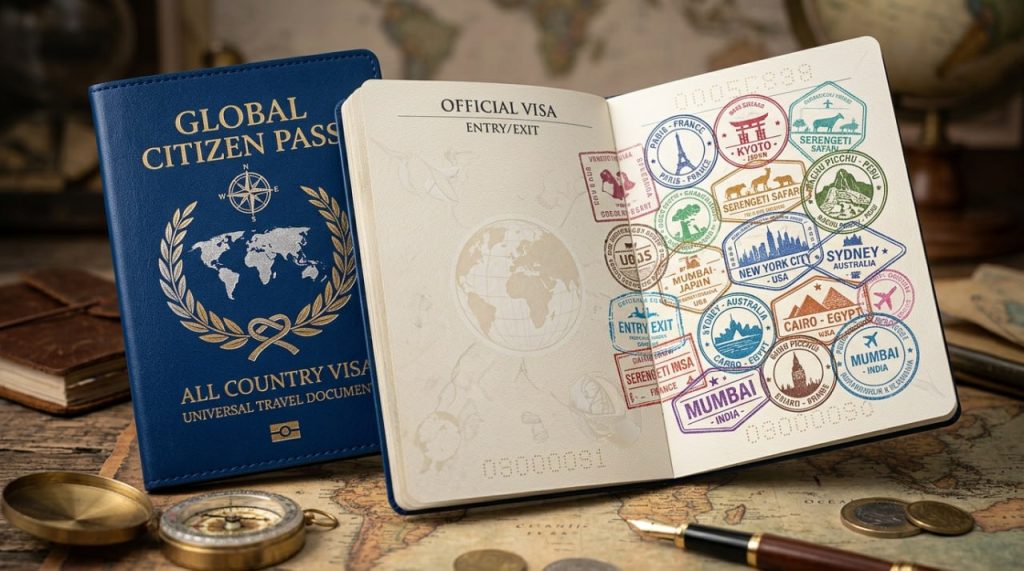
India’s tourism landscape in 2026 is defined by unprecedented accessibility and a rapid digital evolution. As the country opens its doors to record-breaking numbers of international visitors, the efficiency of the e-Visa system has become the backbone of modern travel to South Asia. However, for many travelers, the technicalities of “validity” and “urgency” remain the most misunderstood aspects of the application process.
Whether you are planning a month-long spiritual retreat or responding to a sudden commercial crisis, understanding the lifecycle of your travel authorization is the difference between a seamless entry and a costly mistake.
Mastering the Calendar: The Thirty Days Indian Visa
For many casual tourists and short-term explorers, the 30-day e-Tourist visa is the most popular choice. It offers the perfect window to experience the Golden Triangle or the serene backwaters of Kerala. However, a common point of confusion among travelers is when the clock actually starts ticking.
In 2026, the THIRTY DAYS INDIAN VISA operates under a specific “validity window” and an “arrival window.” Once your e-Visa is granted, you are given a period (usually 30 days) to enter the country. The actual 30-day duration of stay begins the moment you clear immigration at an authorized port of entry, not the day the visa was issued. This distinction is vital for itinerary planning. If you stay beyond the 30-day limit printed on your entry stamp, you risk heavy fines and potential blacklisting from future travel to the Kingdom. Always cross-reference your flight departure time with your entry stamp to ensure you remain compliant with the 2026 immigration codes.
When Every Hour Counts: The Urgent Emergency Indian Visa
The unpredictable nature of life—ranging from sudden family events to high-stakes business negotiations—often necessitates travel that was not on the calendar 48 hours prior. For these high-pressure scenarios, the standard processing queue is rarely an option.
The URGENT EMERGENCY INDIAN VISA serves as the Kingdom’s specialized fast-track for travelers in crisis. In 2026, this “Fast-Track” system is prioritized by dedicated processing centers that operate 24/7. To successfully secure an emergency authorization, applicants must be prepared with high-resolution digital documents and, in some cases, proof of urgency such as a medical certificate or a formal corporate invitation. While the fees for expedited service are higher, the 2026 digital portal is now capable of delivering approvals in as little as 24 hours, provided the biometric photo and passport scans meet the latest AI-driven clarity standards.
Expert Tips for 2026 Travel Success
To ensure your documentation is indexed correctly by border officials and your journey remains stress-free, keep these professional insights in mind:
- The Double-Entry Rule: The 30-day tourist visa typically allows for two entries. If you plan to visit a neighboring country like Nepal or Sri Lanka and return to India, ensure you do so within the original 30-day stay period.
- Digital and Physical Backups: While the visa is linked to your passport, 2026 protocols still favor travelers who carry a high-quality printed copy of their Electronic Travel Authorization (ETA). This is essential if system maintenance occurs at your arrival airport.
- Port Verification: Ensure your flight lands at one of the 29 designated international airports equipped with biometric e-Visa kiosks. Landing at a regional hub without these facilities could lead to entry refusal.
Conclusion: Preparation Meets Adventure
India is a land that rewards those who respect its rules and embrace its energy. By mastering the timing of your 30-day stay and knowing how to access emergency channels when needed, you clear the path for a truly transformative experience. In 2026, the wonders of the subcontinent are closer than ever—as long as you have the right documentation at the right time.
